
Understanding Tinnitus: Causes, Symptoms, and Impact on Life


Introduction
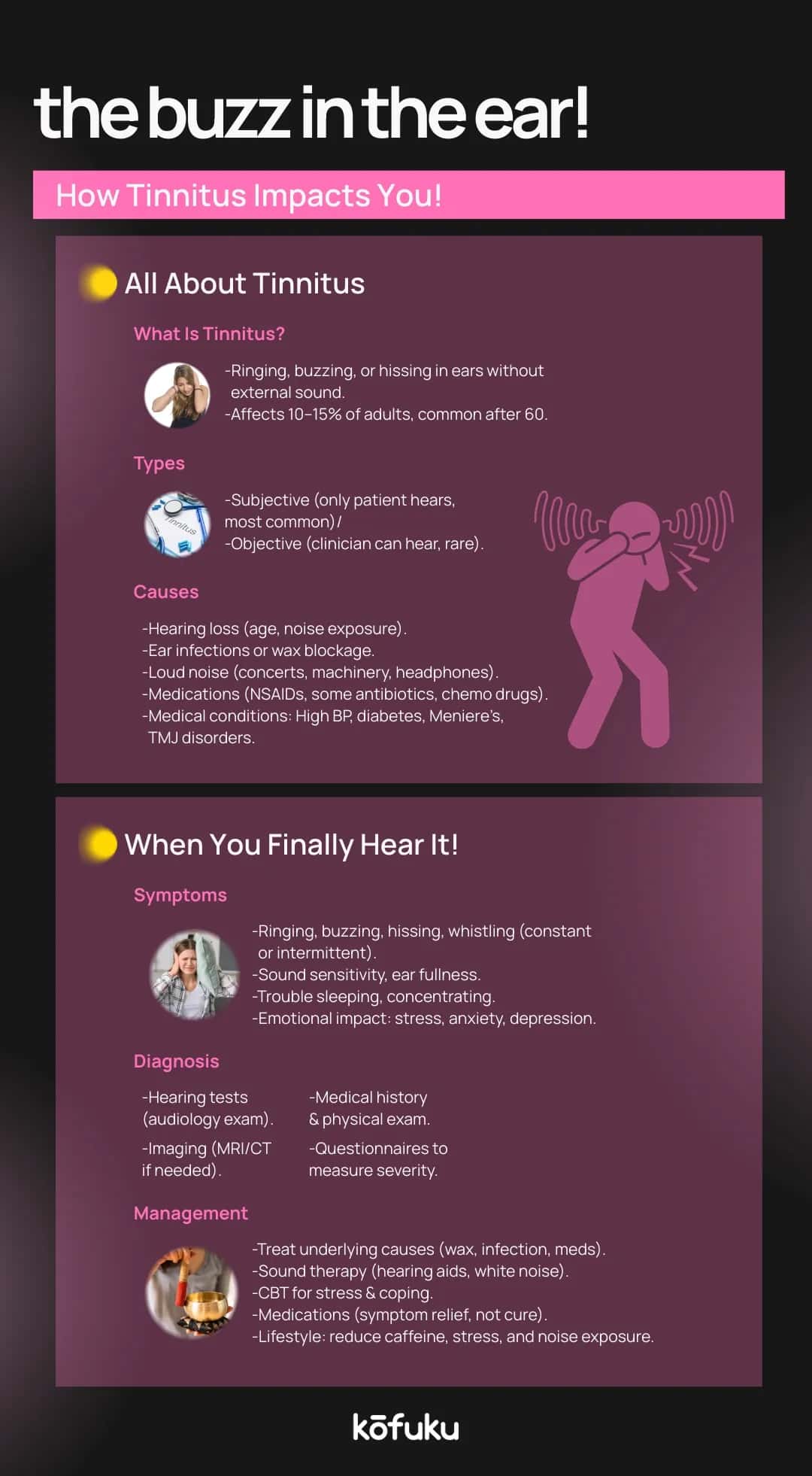
Ever heard that ringing or buzzing in your ears when it is perfectly quiet? Tinnitus is a medical condition that is bothersome to many human beings, especially in India and other countries of the world. But it is not a disease, and in the majority of cases, it is due to underlying ailments that involve the ear system, certain lifestyle conditions, or conditions of ageing.
Since tinnitus may impede concentration, sleep, and mental health, it is critical to find ways to treat it and make lifestyle changes. Modern medicine offers a variety of solutions for tinnitus cure, such as ear drops to stop tinnitus, and hearing aids to allow people to minimise its effect and get their lives back into balance.
However, becoming familiar with its causes, symptoms, and impact on everyday life is crucial for prompt management and relief. This blog will help you do that.
Comprehensive Overview of Tinnitus Treatment Options
There are medications used to cure tinnitus, and they all depend on its cause, severity, and the health of the patient. Some common tinnitus treatment approaches include:
-
Medications: While there is no specific drug to cure tinnitus, certain medicines may help reduce associated anxiety, depression, or sleep problems.
-
Sound therapy: Use of background sounds or specialised devices that mask tinnitus noises and provide relief.
-
Cognitive behavioural therapy (CBT): A psychological approach that helps patients manage stress and cope with the condition.
-
Ear aids for tinnitus: Amplification devices that not only improve hearing but also reduce the perception of tinnitus.
Ear Drops for Tinnitus: What Are They and How Do They Work?
Ear drops are often tried as the initial treatment, especially when patients believe that earwax build-up or minor ear infections are the root cause of their condition. Ear drops act by making hardened wax softer, by lowering inflammation in the ears, or by calming down the irritation in the ear canal.
The ear drops are not capable of treating tinnitus under all circumstances. They are effective mostly in cases where tinnitus is associated with short-term disorders such as earwax impairment, allergies, and infections.
Best Ear Drops for Tinnitus: Recommendations and User Tips
When searching for the top ear drops for tinnitus, you must see a physician before selecting a product. Some of the more popular suggestions include:
-
Wax-dissolving ear drops: Help clear blockages that may amplify tinnitus sounds.
-
Antibacterial or antifungal drops: Prescribed if infections are contributing to the condition.
-
Natural oil-based drops: Such as olive oil or almond oil, are often used to lubricate the ear canal and reduce irritation.
Useful Tips:
- Always follow dosage instructions and avoid prolonged self-medication.
- Never insert objects into the ear along with drops.
- If symptoms persist beyond a week, seek medical attention.
Hearing Aids for Tinnitus: How Amplification Helps
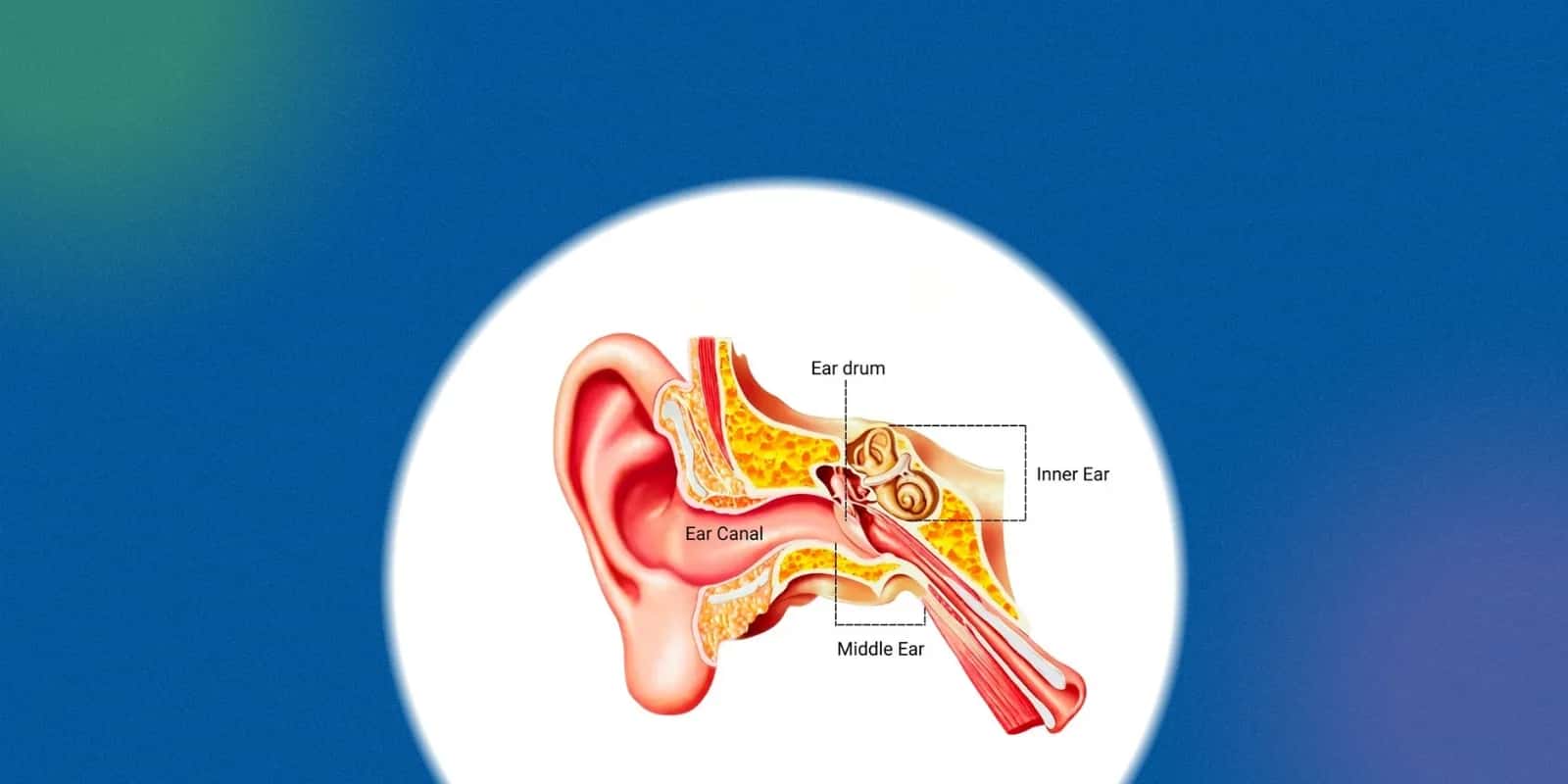
For individuals who have both hearing loss and tinnitus, hearing aids for tinnitus can truly be a game-changer. These gadgets demonstrate external sounds and help to mask the tinnitus. By making hearing clearer, they move the brain's focus away from the internal ringing or buzzing.
Evidence shows that regular wearing of hearing aids with the tinnitus aspect drastically decreases the psychological burdens associated with the tinnitus.
Hearing Aids with Tinnitus Masking Features
Technology has produced hearing aids that have tinnitus masking features, whereby the equipment emits low-level sounds that hide or mix with the noises that produce tinnitus. Such noises can entail white noise, nature sounds, or preset tones. Such devices assist the brain in shutting off tinnitus progressively.
It is especially effective in helping a person who experiences tinnitus sounds more prominently when they are in a quiet place (at bedtime or when reading, etc.)

Choosing the Right Hearing Aid for Tinnitus
When selecting a hearing aid for tinnitus, consider the following factors:
-
Type of hearing loss: The device should be tailored to the individual’s degree and pattern of hearing loss.
-
Tinnitus masking options: Advanced models offer customisable masking sounds.
-
Comfort and usability: Since these aids are worn daily, comfort is critical.
-
Affordability: In India, budget-friendly yet effective models are becoming increasingly available.
Additional Therapies and Lifestyle Changes for Tinnitus Relief
In addition to medical care, several lifestyle modifications can also help manage tinnitus:
-
Stress management: Stress tends to exacerbate tinnitus. Yoga, meditation, and relaxation techniques can help.
-
Diet changes: Limiting caffeine, alcohol, and processed foods may reduce symptom severity.
-
Sleep: Lack of sleep can increase awareness of tinnitus, so good sleep hygiene is essential.
-
Preventing loud noise exposure: High decibels can worsen hearing loss and tinnitus.
-
Physical activity: Regular exercise improves blood flow, which benefits ear health.
There is also the exploration of alternative treatments like acupuncture, music therapy, and mindfulness training, where we see mixed results depending on the individual.
When to See a Doctor for Tinnitus: Signs and Diagnostic Steps
Tinnitus is common, but not always harmless. Seek medical attention if you experience:
- Sudden or one-sided tinnitus.
- Tinnitus accompanied by dizziness, hearing loss, or ear pain.
- Pulsatile tinnitus (a rhythmic sound in sync with heartbeat).
Often, doctors combine the patient's history with a hearing test, imaging scans, and ear examinations to determine the root cause of tinnitus. Early diagnostics may prevent complications, and the proper treatment of tinnitus will be suggested.
FAQs
Q. What is the most effective treatment for tinnitus?
A. The most effective treatment for tinnitus depends on the underlying cause. Popular treatments include sound therapy, cognitive behaviour therapy, tinnitus hearing aids, and lifestyle modification. Treatment is usually to control symptoms and not cure the disease entirely.
Q. Can ear drops help reduce tinnitus symptoms?
A. Some ear drops for tinnitus can be effective when the cause of the condition is earwax blockage or infection. However, ear drops are not effective across the board. Ear drops should only be used aftera medical assessment to prevent worsening of symptoms or complications.
Q. What are the best ear drops for tinnitus relief?
A. The best ear drops for tinnitus are usually those prescribed for specific underlying issues like impacted wax or minor ear infections. Over-the-counter products can provide relief on a temporary basis, but expert advice guarantees safe and effective use for long-term relief.
Q. How do hearing aids help people with tinnitus?
A. External sounds are amplified by tinnitus hearing aids, making internal ringing less apparent. This assists in masking tinnitus as well as enhancing communication. Some advanced models also include tinnitus-masking features, combining amplification with soothing sounds for better daily comfort and improved quality of life.
Q. Are there hearing aids designed specifically for tinnitus?
A. Yes, modern hearing aids with tinnitus masking features are designed to reduce awareness of ringing by blending it with therapeutic background sounds. These devices provide both amplification and masking, making them highly effective for patients with hearing loss and tinnitus.
Q. Can hearing aids completely cure tinnitus?
A. No, a tinnitus hearing aid cannot cure the condition. Rather, it assists in symptom management by amplifying external sounds and masking internal ringing. Relief depends on individual cases, but many patients report significant improvement in daily life with consistent use.
Q. What is the difference between regular hearing aids and tinnitus maskers?
A. Regular hearing aids mainly amplify sounds to aid hearing loss, while tinnitus with hearing aids that include maskers produces soothing tones to reduce ringing perception. Combination devices support both functions, making them more suitable for people with dual hearing issues.
Q. What other therapies work for tinnitus besides hearing aids?
A. Other tinnitus therapies include sound therapy, cognitive behavioural therapy, stress reduction techniques, and certain medications. Lifestyle adjustments, such as avoiding caffeine and loud noise, also help. These approaches complement tinnitus treatment and improve overall well-being alongside hearing support devices.