
Strength Training for Fitness: Building Power and Endurance


Introduction
Have you ever wondered why some people can maintain impressive strength and stamina, while others struggle, despite adhering to a regular workout schedule at the gym? This is probably because of the exercise or training regime they follow.
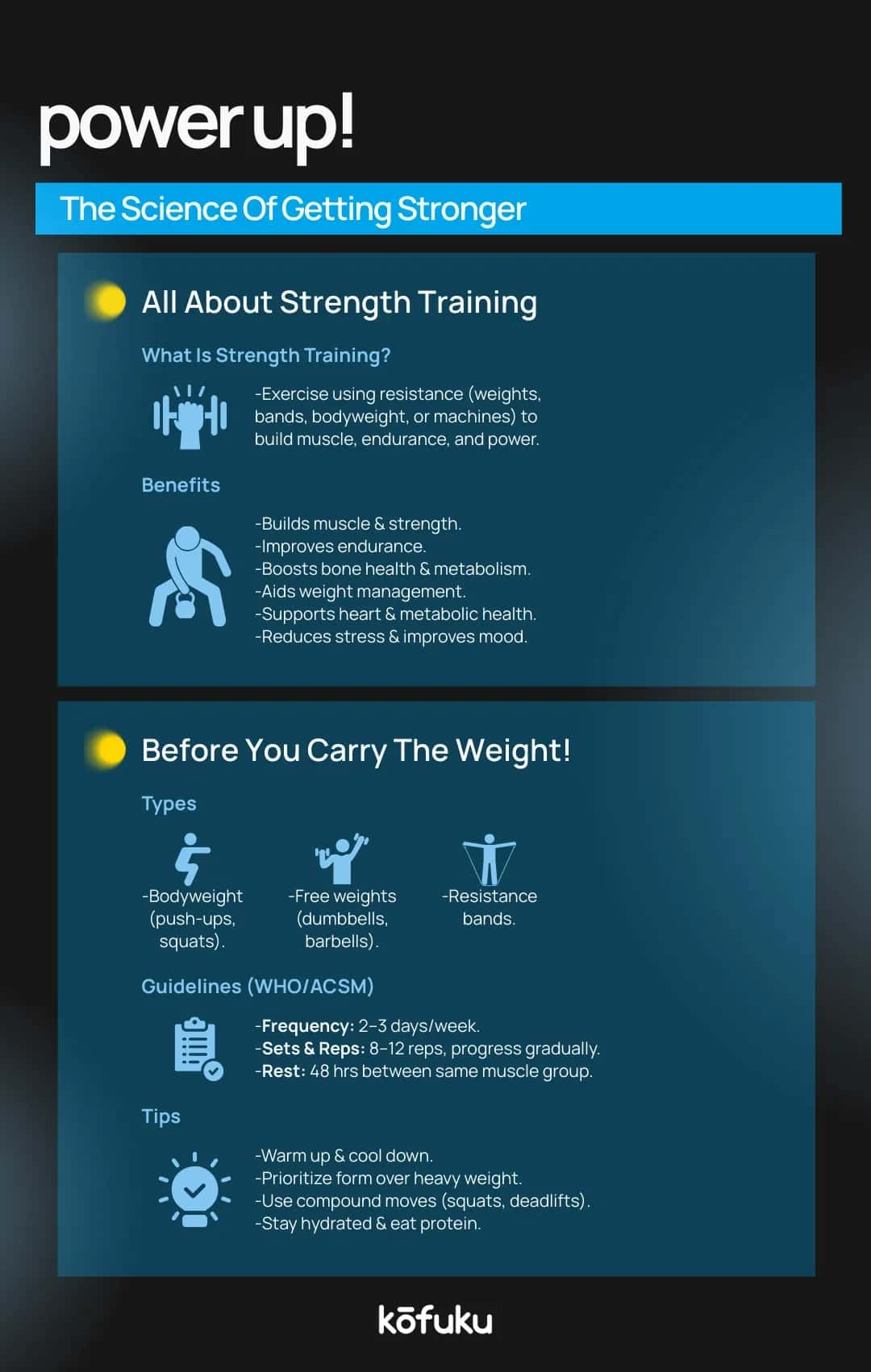
Generally, fitness through strength training is commonly dismissed in favour of pure cardio-based workouts. However, building muscle strength and muscular endurance is essential for health, preventing injuries, and maintaining long-term physical functioning. Strength training is not just about heavy weights; it is a holistic practice. When done right, it enhances your muscular health, improves metabolism, and boosts confidence levels.
The guide will explore the forms of strength, the necessary exercises, the nutritional sustenance, and the options of combining strength exercise with cardio training to create a fitting fitness regimen.
Types of Strength: Understanding Your Fitness Goals
However, before starting exercises, it is necessary to learn the types of strengths and relate them to the goals of your fitness.
- Maximal Strength: This refers to the greatest amount of force generated by a muscle in a single effort. It is ideal for athletes in powerlifting, wrestling, or sprinting.
- Explosive Strength: This refers to the ability to exert maximal force rapidly. Individuals who engage in sports like basketball, football, and martial arts benefit from this.
- Endurance Strength: This involves sustaining repeated muscle contractions over time. Long-distance runners, cyclists, and swimmers rely on endurance strength to maintain performance.
- Functional Strength: This is the strength that helps you in your daily life. It improves posture, reduces the risk of injury, and enhances overall mobility.
Essential Strength Training Exercises for Beginners
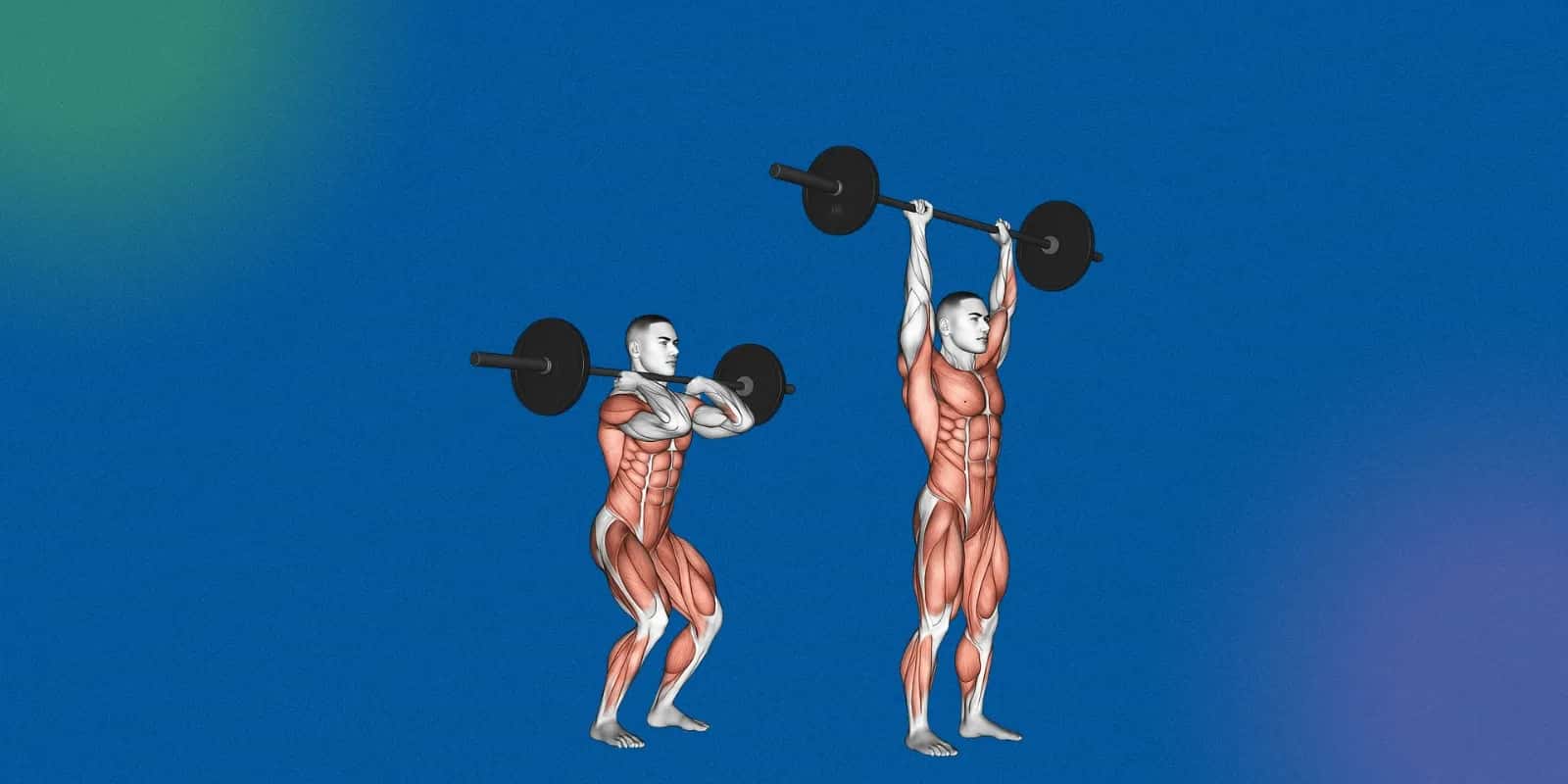
- Squats: Engage the quadriceps, hamstrings, glutes, and core. Beginners can consistently practice it and, when comfortable, add body weight for better progress.
- Deadlifts: Activate the posterior chain - back, glutes, and hamstrings. However, ensuring proper form is crucial to prevent injury.
- Push-Ups: Engage the chest, shoulders, and triceps. Progressive variations include incline or decline push-ups.
- Pull-Ups: Strengthen the upper body, particularly the back and biceps. A beginner may use assisted pull-ups.
- Planks: Build core stability, contributing to overall strength and balance. Side planks and dynamic planks add variety.
Foods to Increase Strength and Stamina: Nutrition Tips for Fitness
Fitness training strength cannot be complete without nutrition. These foods that build strength and stamina contain the energy, protein, and micronutrients that are needed to repair and support the muscles in endurance. Here’s something for you:
- Lean Proteins: Chicken, fish, eggs, and legumes support muscle repair and growth.
- Complex Carbohydrates: Oats, brown rice, whole grains, and sweet potatoes fuel prolonged workouts.
- Healthy Fats: Nuts, seeds, avocado, and olive oil aid in hormone regulation and joint health.
- Fruits and Vegetables: Rich in vitamins, minerals, and antioxidants, they reduce exercise-induced inflammation and support recovery.
- Hydration: Adequate water intake is crucial for performance, endurance, and metabolic function.
Strength Up Fitness: Tips to Progress Safely and Effectively
Building strength is a gradual process. Here are some practical tips for progressing safely:
-
Consistency Over Intensity: Establish a regular workout schedule rather than focusing solely on lifting heavier weights.
-
Progressive Overload: Gradually increase resistance, repetitions, or sets to stimulate muscle adaptation.
-
Rest and Recovery: Muscles grow and repair during rest. Incorporate at least 48 hours of rest between intense sessions targeting the same muscle group.
-
Track Progress: Maintain a log of weights, repetitions, and energy levels to monitor improvements and adjust your programme accordingly.
-
Seek Professional Guidance: Trainers or coaches can provide personalised programmes and correct technique, reducing injury risk.
Strength and Conditioning Opportunities: Programs and Facilities
More and more people are now going to gyms, sports academies, and wellness facilities providing strength and conditioning opportunities. These facilities generally offer access to functional training equipment and resistance machines as well as means to track and enhance strength parameters. Popular options include:
-
CrossFit Boxes: High-intensity functional workouts combining strength and cardio elements.
-
Weightlifting Clubs: Specialised coaching for Olympic lifts, powerlifting, and strength progression.
-
Yoga and Pilates Studios: Complementary training for core stability, flexibility, and functional strength.
-
Online Fitness Platforms: Virtual sessions provide structured strength and conditioning programmes accessible from home.
Combining Strength Training with Cardio Workouts for Balanced Fitness
While building strength can improve power and lean muscle mass, cardio work benefits cardiovascular health and endurance, as well as your metabolism, when it comes to burning fat. Put together, they make a full-fitness plan:
-
High-Intensity Interval Training (HIIT): Alternates short bursts of intense activity with recovery periods. This integrates strength and cardio efficiently.
-
Circuit Training: Rotates through resistance exercises with minimal rest, blending cardiovascular health with muscle development.
-
Active Recovery: Low-intensity cardio, such as brisk walking or cycling, supports muscle repair and growth while ensuring consistency.

Sample Weekly Workout Plan: Integrating Strength and Cardio
- Day 1: Upper body (push-ups, pull-ups, dumbbell presses) + 20 minutes moderate cardio
- Day 2: Lower body (squats, lunges, deadlifts) + 15 minutes HIIT
- Day 3: Active recovery (yoga or light cycling)
- Day 4: Functional (kettlebell swings, planks) + 20 minutes treadmill cardio
- Day 5: Full-body circuit + 10–15 minutes HIIT
- Day 6: Endurance-focused cardio (running, swimming, or cycling)
- Day 7: Rest and recovery
Common Mistakes to Avoid in Strength Training and Cardio
Even experienced individuals can make errors that hinder progress or increase injury risk. Here are some mistakes to be aware of:
-
Neglecting Warm-Ups and Cool-Downs: Increases the likelihood of muscle strain and delayed recovery.
-
Overtraining: Excessive intensity or frequency without adequate rest leads to fatigue and injury.
-
Poor Form: Incorrect technique can reduce effectiveness and strain joints.
-
Ignoring Nutrition: Without proper dietary support, strength gains and endurance development plateau.
-
Skipping Cardio: Exclusively focusing on resistance training limits cardiovascular improvements and overall health.
FAQs
Q. What are the best strength training exercises for overall fitness?
A. Squats, deadlifts, push-ups, pull-ups, lunges, and planks are excellent for overall fitness, targeting multiple muscle groups and improving strength, endurance, and functional movement for daily activities.
Q. What are the different types of strength in fitness training?
A. Fitness training focuses on maximal strength, explosive strength, endurance strength, and functional strength. Each type targets specific goals, from power development to stamina and everyday functional performance.
Q. Which foods help increase strength and stamina naturally?
A. Lean proteins, complex carbohydrates, healthy fats, fruits, and vegetables support muscle growth, energy levels, and recovery. Hydration and nutrient-rich diets enhance overall strength and stamina effectively.
Q. How can I safely progress in strength training without injury?
A. Progress gradually using proper form, controlled repetitions, and incremental resistance. Incorporate rest days, warm-ups, cool-downs, and consult trainers to minimise injury risk while optimising strength gains.
Q. What is “strength up fitness” and how does it work?
A. Strength up fitness is a structured approach emphasising progressive overload, consistent exercise, proper recovery, and nutrition to safely build muscle power, endurance, and overall physical performance.
Q. What are the best strength and conditioning opportunities available?
A. Gyms, CrossFit centres, sports academies, yoga and Pilates studios, and online programmes provide diverse strength and conditioning opportunities to suit fitness goals and training preferences.
Q. How can cardio workouts improve my strength training results?
A. Cardio enhances cardiovascular endurance, supports recovery, improves stamina, and helps maintain lean body composition, complementing strength training and promoting overall fitness and performance.
Q. Can I combine strength training and cardio in a single workout?
A. Yes. Circuit training, HIIT, and alternating strength with cardio exercises integrate both, boosting muscle strength, cardiovascular endurance, and calorie burn efficiently in one session.

6 Exercises to Improve Posterior Deltoid Strength

Cardio vs Strength Training: Which is Better?

Healthy Family Nutrition Tips for Strength and Togetherness

What Is Grip Strength? Understanding The Basics

10 Weirdest Myths About Weight Training
Debunking the Weightlifting Myth – Truth Revealed

18 Best Healthy Foods to Gain Weight Quickly and Safely